
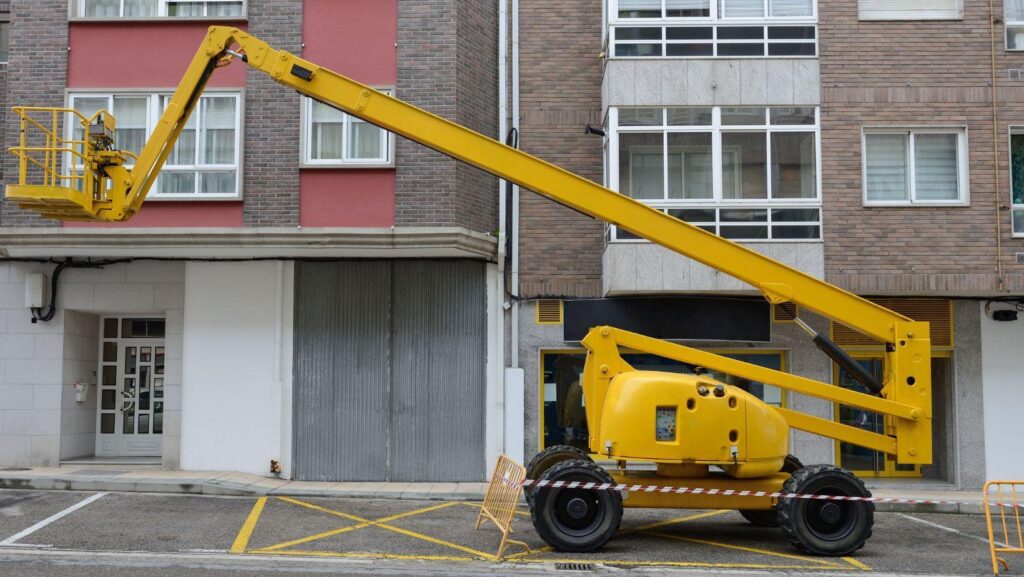
Aerial work platform rental near me gets typed, a list appears, and then most people phone the top result and describe the job vaguely. Ten minutes later, they have a rough price for a machine nobody has confirmed will fit.
A better first call takes the same ten minutes and settles the whole booking. Here is roughly how it should go.
Before You Dial
Write six things down. Everything else in the call depends on them.
- Height of the highest work, measured rather than guessed
- Distance from the nearest usable parking position to the work
- What sits between the two: planting, slopes, covers, steps
- Anything overhead, including cables, canopies and branches
- Heaviest basket load, people plus tools plus materials
- Dates, and how many separate positions the work needs
That list takes twenty minutes on site and saves a wasted delivery.
Open With the Job, Not the Machine
The instinct is to open with a machine name or a height figure. Resist it. Describe the work instead: what the task is, what the building looks like, where the truck can stand.
Suppliers who know their fleet will start narrowing options while you are still talking, often asking about the ground before you have finished describing the elevation. The ones who simply agree with whatever machine you suggest are telling you something useful about how the delivery will be planned.
Why Aerial Work Platform Rental Near Me Starts With Dates
Availability is the question that can end the call early, so put it first.
Ask whether a suitable machine is free on your dates, not whether they have that model in general. A yard listed under aerial work platform rental near me may be five minutes away and still have nothing free until the following month, which makes the rest of the conversation academic.
Ask Which Machine, and Why That One
This is the question that separates suppliers.
A good answer references your numbers: the height, the parking distance, the basket load, and where those land on the machine’s load chart. It may also rule a machine out, which is a good sign rather than a bad one. A weak answer names a model and quotes its maximum reach as though the two figures arrive together. Ask for the load chart to be sent through, and check it against your own measurements before agreeing to anything.
Ask for the Delivered Total
Rates are not comparable. Totals are.
Ask what the complete figure is for the whole job: hire for the period, transport both ways, operator hours if supplied, fuel arrangement, and anything charged for repositioning between setup points. Ask what happens on days when wind stops work, and how the hire is ended.
Let Them Ask You Questions Too
The most useful signal in the call is what the supplier wants to know.
Good ones ask about ground conditions, what lies beneath the setup position, gate width, overhead obstructions, and how long the machine will be standing. Those questions exist because those things cause failed deliveries. A supplier who asks none of them has not planned your delivery and will find out the same problems you will in the morning.
What Should End the Call
A few answers are worth walking away from. No load chart available. No clear statement of where the machine travels from. Vagueness about what is included in the price. Reluctance to confirm availability in writing.
None of these are about size or price. They are about whether the delivery has been thought through.
Turning Ten Minutes Into a Confirmed Booking
The search gives you a list, and the first call turns that list into a decision. Bring six measurements, lead with the job rather than a machine name, settle dates first, ask why that machine and not another, and get a delivered total instead of a rate. Then judge the supplier by the questions they ask you. Providers such as Blade Platforms will work through the site details and confirm the machine against your figures before quoting, so have the numbers ready and finish the call with a machine, a date, and a full price rather than an estimate to chase later.