

I have this theory about Australian homes. The ones that age well. The ones that still feel warm even when the décor trends shift around them. Those homes usually have one thing quietly tying everything together. A blackbutt floor that has seen years of footsteps, pets rushing around, the odd bit of furniture scraping across the surface, and yet it still looks like… home. Maybe that is why the blackbutt floor trend never really fades. It sits there with this calm confidence, like it knows it will outlast the couch, the paint colour, the rug, and probably your subsequent two kitchen renovations.
Anyway, if you have ever wondered why so many Australians lean toward a blackbutt floor and why the service industry around it keeps growing, here is the deeper story. A slow walk through the quirks, the practical bits, and the simple appeal of a timber that just works.
The Natural Appeal That Does Not Try Too Hard
Some timbers crave attention. They come with loud grains or deep tones that almost dictate your interior style. A blackbutt floor does the opposite. It sits comfortably in the middle. Warm honey tones. A quiet grain. Enough variation to feel natural, but not so much that your walls need to match it perfectly. And maybe that is the charm. You do not design around it. It simply blends in and makes the rest of your space feel settled.
People often say a blackbutt floor gives off an Australian vibe. I think it is true, but not in a big, dramatic way. More like how gum leaves rustle outside your window on a breezy morning. You notice it, but it never demands your full attention.
Built for Real Life, Not Just Photos
Here is the thing many homeowners underestimate. A blackbutt floor holds up pretty well in real life. Kids, pets, the clumsy friend who arrives with wet shoes. It copes. Blackbutt has a naturally strong structure, so dents and marks do not show as aggressively as in softer timbers. And in a country that swings between dry heat and humid coastal weather, that reliability matters.
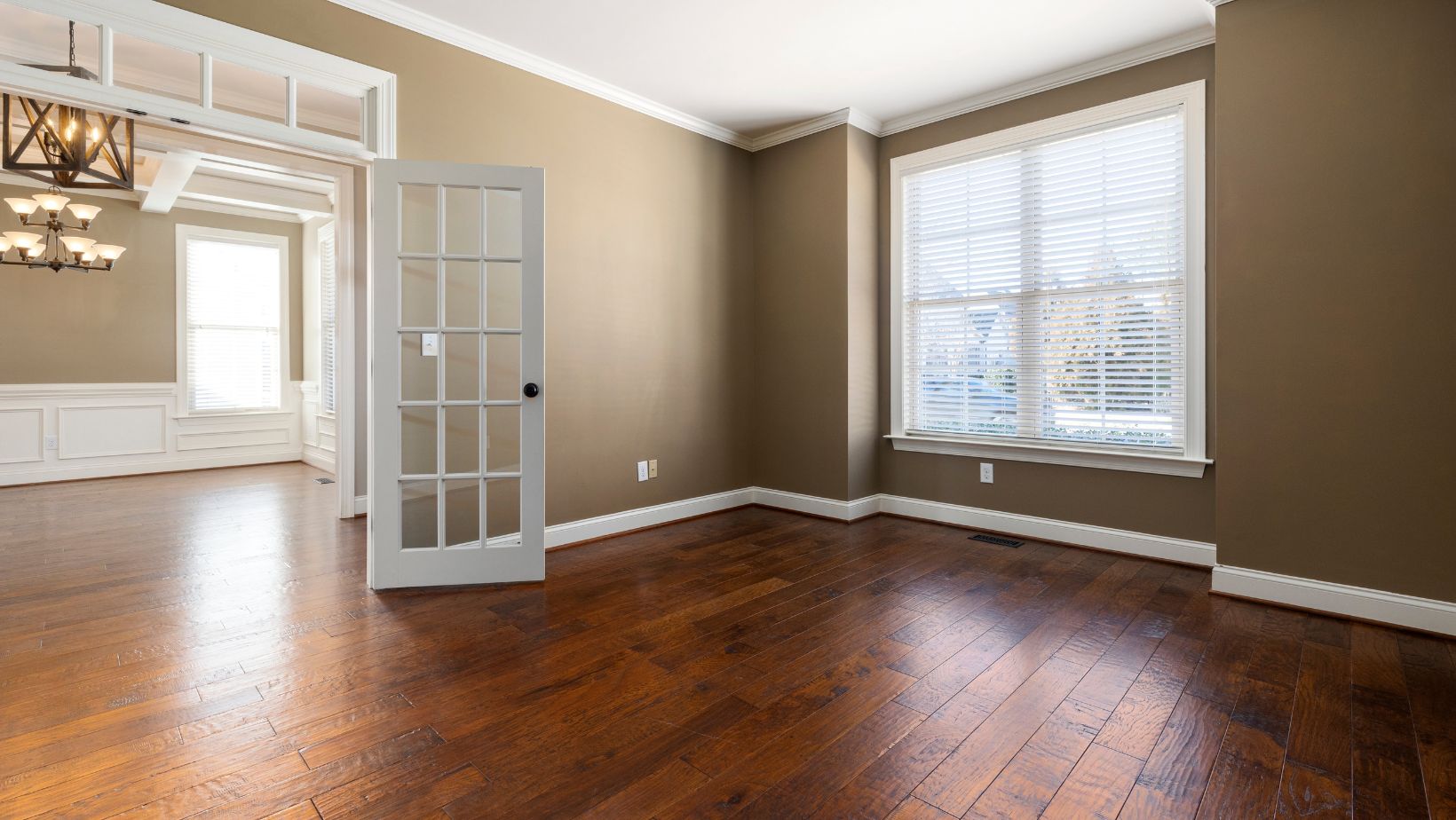
Professional floor services often note that blackbutt’s stability simplifies repair work, too. If a board is damaged, replacing a single section tends to blend in better than with some other species. You would be surprised how many houses need that one-board fix after a wild weekend or a dropped tool during a rushed DIY job.
Why Sanding Brings It Back to Life
If you have ever watched an old blackbutt floor being sanded, the transformation feels almost magical. You see the dull finish disappear and a fresh, natural surface appear underneath. Not brand new. But refreshed. Almost like the floor just took a deep breath.
In Australia, professional sanding teams handle thousands of these revivals every year. The timber responds well to both fine-grit smoothing and heavier cutbacks. This makes it easy to revive even when the floor has been neglected for years.
After sanding, you have two main choices. A natural oil finish that gives that soft, raw look. Or a modern water-based coating that adds durability without making the timber too shiny. Either option works beautifully on a blackbutt floor. Each has its own mood. A lot of people lean toward the matte look these days. It feels more relaxed. Less showroom. More family home.
Suitability for Different Regions and Lifestyles
Australia is a mixed bag when it comes to climate. Dry inland homes. Coastal humidity. Cool southern winters. And for timber floors, that variation can be a bit of a challenge. Yet a blackbutt floor tends to remain stable in most regions, which is why so many floor installers recommend it without hesitation.
For bushfire-prone areas, it even has safety benefits. Blackbutt meets the BAL rating requirements for higher risk zones. That is not something people always think about at the start, but it plays a role in planning and compliance.
And if you want to stain your blackbutt floor darker or lighter, the grain accepts stains quite evenly. You will not get those odd patches or streaks that some species struggle with. This flexibility makes it a favourite among interior designers who want a precise colour tone without losing the natural feel of timber.
Maintenance That Feels Manageable
Not all timber floors are friendly to maintain. Some need constant babying. But a blackbutt floor falls in a pretty sweet spot. Sweep or vacuum often. Mop lightly. Use mats in high-traffic spots. That is about it.
If you have pets, trim their nails. If you host big gatherings, place felt pads under chairs. Human stuff. Nothing outrageous.
The real trick is the long-term cycle. Every few years, a light buff and recoat keep the floor fresh. Every decade or so, a packed sand can bring it back to that glowing, golden look. When homeowners discover how easily the timber returns to its best self, they tend to stay loyal to it.
Stories Hidden in the Grain
There is a quiet nostalgia woven into every blackbutt floor. You can see tiny dents from a toddler learning to walk. A faint mark where a Christmas tree stand once sat. A sun-faded patch that shows where an old rug used to be. Floors record life in a way that furniture rarely does.
Maybe that is why so many Australians choose to refinish rather than replace. They want to keep the story. A blackbutt floor carries that story gently. Never too loud. Never too perfect. Just real.
Final Thoughts
In the world of home interiors, trends move fast. One year, the focus is minimalism. Next year, everyone wants curves. Then suddenly it is textured walls or bold paint colours. But a blackbutt floor from Green Hill Timbers remains steady. It knows its place—a timeless foundation.
If you are thinking about installing one or giving your current blackbutt floor a proper refresh, consider it a long-term investment in comfort, character, and the simple charm of Australian timber. It is not just flooring. It is the part of your home that quietly holds the rest of your life together.
And maybe that is all a home really needs.