
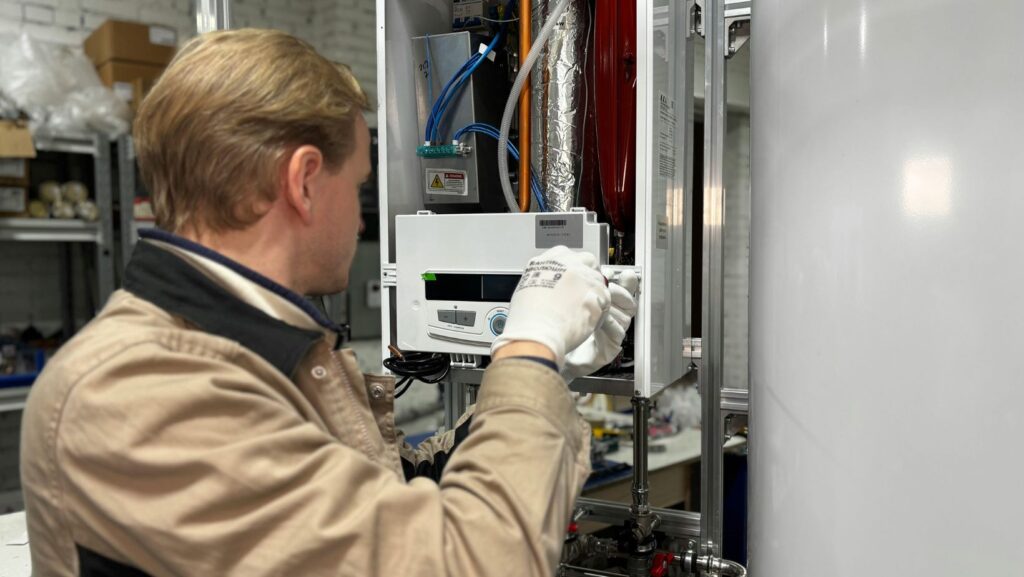
Homeowners depend on steady heating to keep daily life comfortable, especially during colder months. Small issues can grow quickly when the system struggles to perform. Understanding early signs helps prevent breakdowns and protects the home from sudden temperature drops. A quick check often reveals problems that need professional support.
Many families take action when they need to “repair your home heater” after signs begin appearing. Early responses keep systems from failing completely and help maintain comfort and safety inside the home.
Weak Airflow Reduces Comfort
Weak airflow signals a clear issue inside the heating system. Dust buildup, clogged filters, or blocked vents restrict the movement of warm air. Homeowners may notice uneven temperatures across different rooms. The heater may stay on longer as it tries to deliver enough warmth. Weak airflow also places stress on internal parts and raises the risk of future repair needs. A technician can evaluate the ducts and components to locate the blockage. Fixing airflow early restores steady heating.
Strange Odors Indicate Internal Trouble
Unusual smells coming from the heater suggest something may be wrong inside the unit. Burning scents may signal dust accumulation on key components. Sharp or metallic odors may point to electrical issues. Musty smells hint at moisture within the system. These odors disrupt comfort and can signal early equipment failure. A heater producing strong smells should be inspected quickly. Technicians identify the source and correct the issue before major damage forms. Prompt attention protects both the system and the home.
Unexpected Noises Reveal Hidden Damage
Unexpected noises inside the heater show that a part may be loose, worn, or failing. Homeowners may hear banging, clicking, or squealing when the system starts heating.
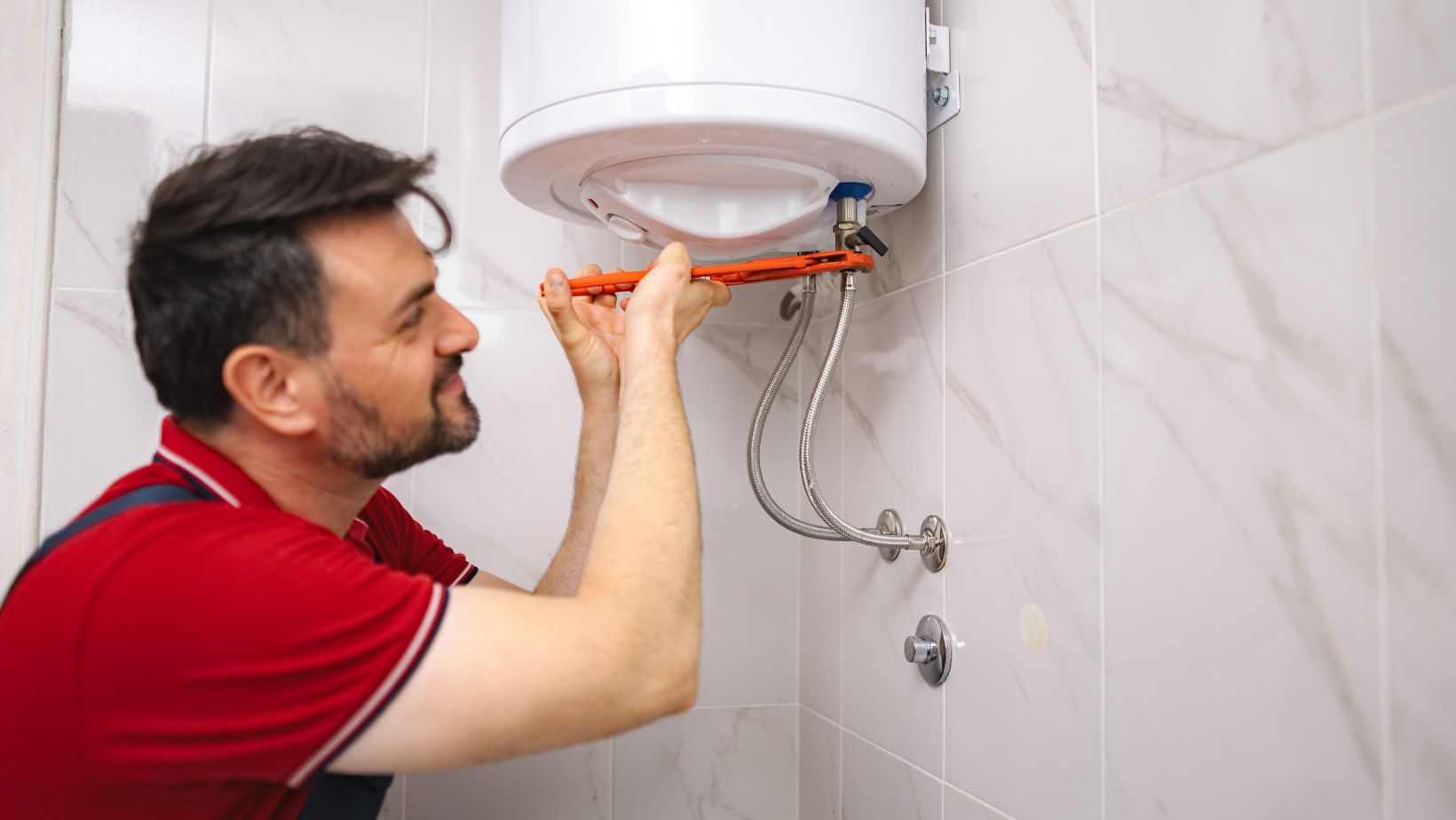
These noises disrupt quiet routines and indicate internal strain. Ignoring them can lead to larger issues involving motors, bearings, or fans. A technician can locate the source and secure or replace the affected part. Early action stops the damage from spreading and keeps the heater running safely.
Higher Energy Bills Signal Inefficiency
A sudden rise in energy bills suggests that the heater is working harder than it should. Faulty parts, weakened airflow, or aging components increase the amount of energy needed to heat the home. Bills that climb unexpectedly during colder months point toward needed maintenance. A technician can test efficiency levels and inspect parts causing the strain. A system that runs efficiently costs less to operate and performs more reliably. Early checks prevent unnecessary spending and improve heating quality.
Inconsistent Temperatures Show System Stress
Uneven temperatures across rooms mean that the system is struggling. Some spaces may feel too warm while others stay cold. This imbalance disrupts comfort and may signal issues with thermostats, vents, or internal parts. Temperature swings also indicate that the heater cannot keep a steady pace. A detailed inspection reveals the exact cause of the inconsistency. Balanced airflow and accurate controls restore uniform heating throughout the home.
Frequent Cycling Forces Extra Wear
Frequent cycling occurs when the heater turns on and off too quickly. This pattern places extra strain on motors, switches, and internal components. Homeowners may notice the heater running in short bursts instead of steady cycles. Cycling disrupts comfort and increases energy usage. A technician evaluates thermostats, sensors, and airflow restrictions to identify the cause. Addressing this early helps prevent major breakdowns and extends the life of the heater.
Visible System Age Requires Professional Care
Older heaters show signs of wear as years pass. Reduced heat output, slow startup times, or repeated issues indicate that the system may be approaching the end of its lifespan. Routine inspections help identify failing parts before they cause full system failure. Homeowners sometimes decide to “repair your home heater” during this stage or discuss replacement options with a professional. Understanding system age helps guide decisions that protect long-term comfort and safety.
Early signs such as weak airflow, unusual odors, loud noises, and higher bills help homeowners act before major heater problems appear. Quick responses protect comfort, improve efficiency, and reduce the chance of costly failures. With timely support and simple checks, heating systems stay reliable throughout the colder seasons.