
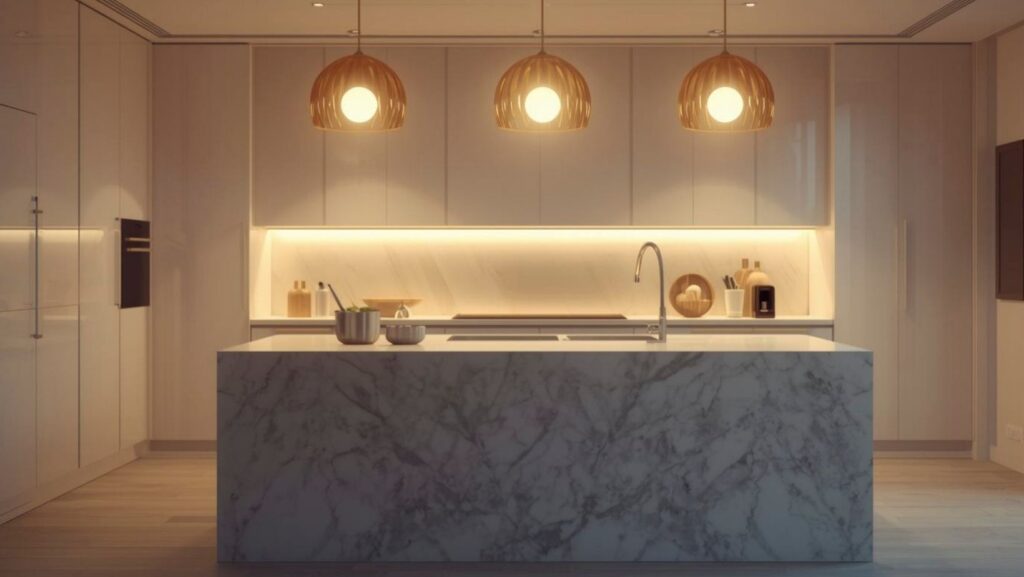
Choosing the right material for your countertops is one of the most important decisions in any kitchen renovation. Two of the most popular choices homeowners consider are quartz and natural stone. While both materials offer beauty, durability, and long-term value, they differ in certain ways that could influence which option is best for your kitchen. Understanding the differences between quartz countertops and natural stone countertops can help you make an informed decision.
Understanding Quartz Countertops
Quartz countertops are made by combining crushed natural quartz with resins and pigments. The manufacturing process that creates them produces a non-porous surface that is highly resistant to stains, scratches, and bacteria. Because quartz is engineered, it can be made in a wide variety of colors and patterns, including styles that mimic natural stones like marble or granite.
Choosing a countertop is also easier when it is considered as part of the kitchen as a whole. Cabinetry, layout, storage, lighting, and the way the space is used every day can all influence which material makes the most sense. For homeowners planning portland kitchen remodeling, considering these elements together can help ensure the countertop works with both the design and function of the finished kitchen.
One of the biggest advantages of quartz countertops is their low maintenance. Unlike natural stone, quartz doesn’t need to be sealed, and everyday cleaning typically involves little more than mild soap, a soft cloth, and water. This makes quartz a popular choice for busy households that want a stylish countertop without extensive upkeep.
Quartz is also very consistent in appearance. Since it is manufactured, homeowners can expect predominantly uniform colors and patterns throughout the entire slab and across multiple slabs, which can be beneficial for modern kitchen designs or large installations where consistency is important.
Understanding Natural Stone Countertops
Natural stone countertops include materials such as granite, marble, soapstone, slate, and quartzite. These materials come directly from the earth then are cut into slabs, meaning every piece is completely unique. The natural veining, patterns, and color variations offer a one-of-a-kind look that many homeowners find appealing.
Granite is one of the leading choices for natural stone countertops because of its durability and high resistance to heat and scratching. Marble offers a classic, elegant look but may require more care to prevent staining, scratching, or etching. Quartzite provides the beauty of marble but is more durable as well as heat and scratch resistant – making it a popular middle-ground option.
Most natural stone surfaces are porous and thus require more maintenance. Many need periodic sealing to protect against stain and moisture – how often depends on the type of stone. However, many homeowners consider this upkeep worthwhile for the natural beauty and character that stone provides.
Factors to Consider When Choosing Countertop Material
When deciding between quartz and natural stone for your kitchen countertops, it helps to consider a few key factors: maintenance, appearance, and durability.
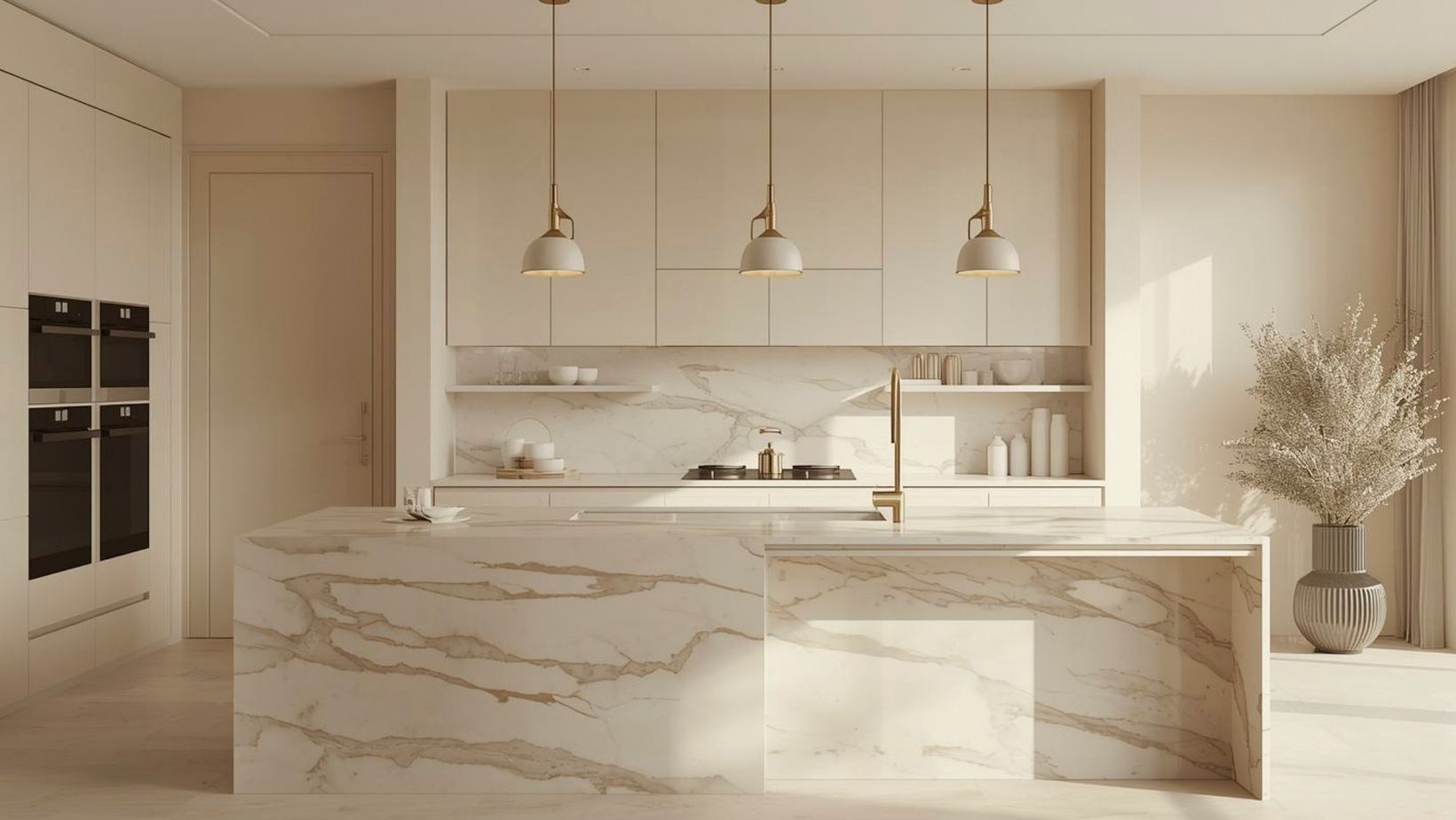
If you want a countertop that is easy to maintain and highly stain resistant, quartz may be the better choice. Its non-porous surface makes it ideal for families who cook frequently or want a worry-free option.
If you value natural beauty and uniqueness, natural stone countertops could be the better fit. No two slabs are the same, which means your kitchen will have a truly distinctive look.
Making the Right Choice for Your Kitchen
Both quartz and natural stone offer excellent durability and long-term value, so the choice ultimately depends on your design preferences, how much maintenance you want to undertake, and how you use your kitchen day to day. Considering these factors can help homeowners select the countertop that best complements their lifestyle.