

Not all cannabis strains are cultivated with the same end game in mind. Large-scale producers often focus on consistency, while boutique farmers tend to prioritize uniqueness, selectivity, and the quality of the final flower. They prefer to work on a smaller scale and pay close attention to each plant.
Developing a unique breed takes time, observation, and an understanding of plant genetics. Growers look for features like smell, appearance, cannabinoid content, and genetic stability. Every decision affects the end product and whether it meets boutique cannabis requirements.
So how does boutique cannabis differ from regular varieties?
We’ll find out in this article, as it discusses how growers select plants through genetics and evaluate quality, among many other things.
1. Selecting Genetics With Distinctive Characteristics
Genetics alone cannot guarantee quality. Environmental conditions, plant health, and post-harvest handling also influence the characteristics consumers eventually encounter.
Genetics are the foundation on which a boutique strain is built. Growers look for cannabis strains with unique scents, interesting colors, appealing flower structures, and reliable cannabinoid profiles, among other desirable traits.
In conventional production, the commercial output is generally a primary concern. Boutique cultivation, however, often focuses on the originality of a specific variety. This allows producers to focus on qualities that can be missed in large-scale operations.
Genetic selection also includes assessing how stable the expression of inherited traits is in plants. Even plants with the same genetic background can vary greatly in look, odor, and growth habit.
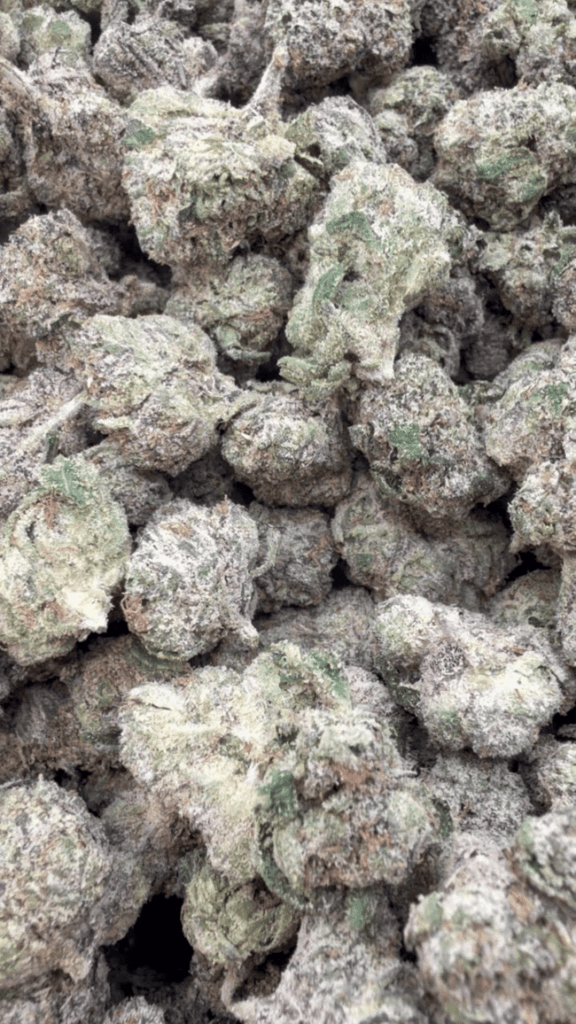
Growers can look at many specimens and select the ones that best express the traits they want. This technique makes it possible to separate one variety from another and adds to the identifiable identity of the finished product.
(Source)
2. Maintaining Consistent Environmental Conditions
Environmental consistency is a key element in boutique cannabis production. Changes in the environment can influence the growth and appearance of cannabis plants, which are sensitive to their environment.
Boutique farmers prefer steady growth conditions rather than treating each plant as a unit of production. They acknowledge that different genetic varieties may respond differently to environmental changes.
For example, plant development can be influenced by changes in light, temperature, humidity, and growing media. Consistency helps growers determine whether the variations they see are due to genetics or environmental influences.
This focus on environmental management also makes comparisons between cultivation batches more credible. When conditions are generally stable, growers can better gauge how a given variety expresses its characteristics.
But environmental control doesn’t eradicate natural variation. Even if cultivated side by side under the same conditions, individual plants can still develop differently.
3. Observing Plant Development and Natural Variation
One thing about boutique farming is that growers care for each plant individually. Growers don’t judge a crop by overall yield. Instead, they look at differences in how the plants are structured, how they look, and how they grow.
Making these kinds of notes can help you figure out what makes some plants different from others. Some may turn weird colors, while others may have strong smells or flower forms that are easy to spot.
Careful monitoring also helps farmers spot problems in a variety. This matters because part of a strain’s identity depends on how consistently its unique traits show up across batches.
Plants’ growth is affected by both the traits they were born with and their surroundings. As a result, a trait that is desirable in one specimen might not show up the same way in another.
Growers can learn more about the type being tested by writing down these differences. These records can help with future selections and ensure high standards are always met.

(Source)
4. Evaluating Aroma, Appearance, and Chemical Profiles
A boutique cannabis strain is defined by more than its name or appearance. Growers and quality specialists also examine aromatic features, chemical composition, and overall presentation.
Some aroma comes from chemicals known as terpenes, which impart distinct aromas to different cannabis strains. However, terpene composition can differ between specimens and production batches.
Appearance is another factor of evaluation. Color, structure, surface features, and the flower’s visible condition determine the final product.
Laboratory analysis can provide more information on cannabinoid concentrations and terpene profiles. These measurements provide a more objective way to describe chemical features than appearance or aroma alone.
A strong smell or attractive flower structure does not necessarily indicate increased potency, safety, or quality. Reliable assessments consider multiple factors rather than relying on a single characteristic.
5. Preserving Quality Through Careful Post-Harvest Handling
What happens post-harvest can impact the qualities developed during cultivation. This is why boutique producers often place heavy emphasis on handling, inspection, packaging, and storage.
Cannabis flower contains compounds that may change when exposed to unfavorable environmental conditions. Physical handling can also affect the appearance and condition of delicate flower structures.
Quality-conscious producers check for consistency, visual damage, foreign material, and other symptoms of rough handling before the product receives final inspection.
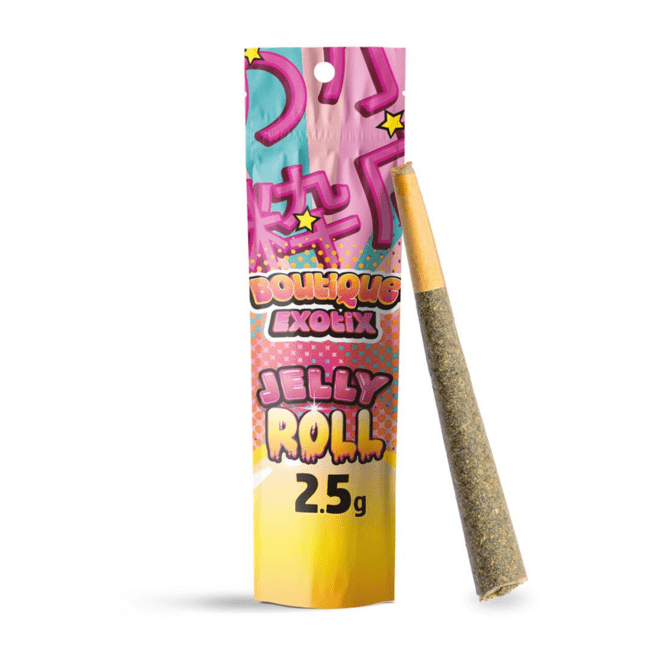
Suitable packaging helps to safeguard the goods during storage and distribution. It also allows you to share pertinent information about the strain, such as its identity and validated chemical composition.
Post-harvest quality management is especially critical for boutique items, as consumers often expect the same attributes with each purchase.
Even carefully selected genetics cannot make up for bad handling or inadequate quality inspections.
(Source)
Conclusion
Crafting a boutique cannabis strain reflects the relationship between genetics, environmental conditions, careful observation, and quality control. Each step contributes to the traits that make one variety different from another.
Ultimately, boutique cultivation is less about production size and more about attention to detail. With careful treatment, constant evaluation, and strategic selection, growers can produce cannabis cultivars with more predictable quality and unique identities.