
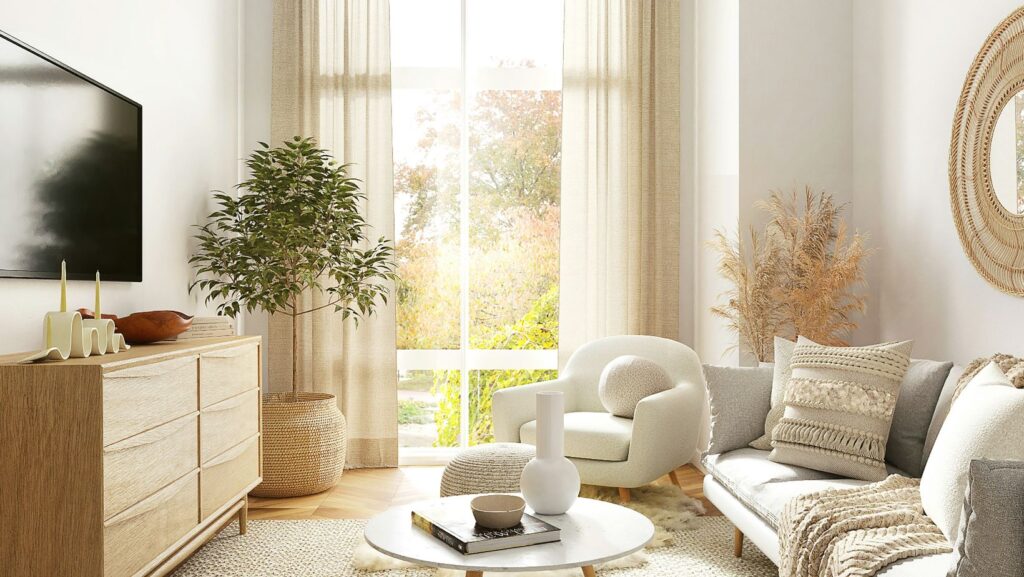
Some homes feel full before anyone even walks in. Shelves are busy, corners are packed and the air looks heavy in photos. A breathing home feels different. Light moves across the room during the day, there is some empty space on each surface and textures make the space feel softer instead of louder. This effect usually comes from a few small decisions, not from a total renovation.
When magazines shout about “instant makeovers” or banners for lifestyle sites sit next to ads for sankra casino online, the message often sounds the same: buy big, change everything. In reality, a regular apartment usually needs less drama. A few careful upgrades in light, storage and materials can make a room feel calmer without replacing every piece of furniture.
Let Light Do Most Of The Work
Before buying anything, it helps to look at how light moves across the space. Many rooms suffer from blocked windows, heavy curtains that stay half closed and a single bright ceiling lamp that flattens everything at night. A breathing home gives daylight and soft evening light clear paths.
Windows work best when nothing competes with them. Low furniture, open sills and curtains that can slide fully away from the glass give the room more depth. A mirror across from a window doubles this effect. Even a small mirror above a console can brighten a hallway that usually feels like a tunnel.
Simple light upgrades that change the feeling fast
- Window check: remove plants, boxes and random items that sit on the sill and steal light for no real reason.
- Curtain rethink: hang rods a little higher and choose lighter fabrics so more daylight enters even when curtains are drawn.
- Extra lamp in a dark corner: a standing lamp near a chair or shelf turns dead space into a small reading or resting zone.
- Warm bulbs live in rooms: warm white light in the evening makes a living room or bedroom feel more relaxed.
- Lamp height mix: a desk lamp, a floor lamp and a small table lamp together create soft layers instead of a harsh single source.
Once light is kinder, the room already looks more open, even if furniture has not moved yet.
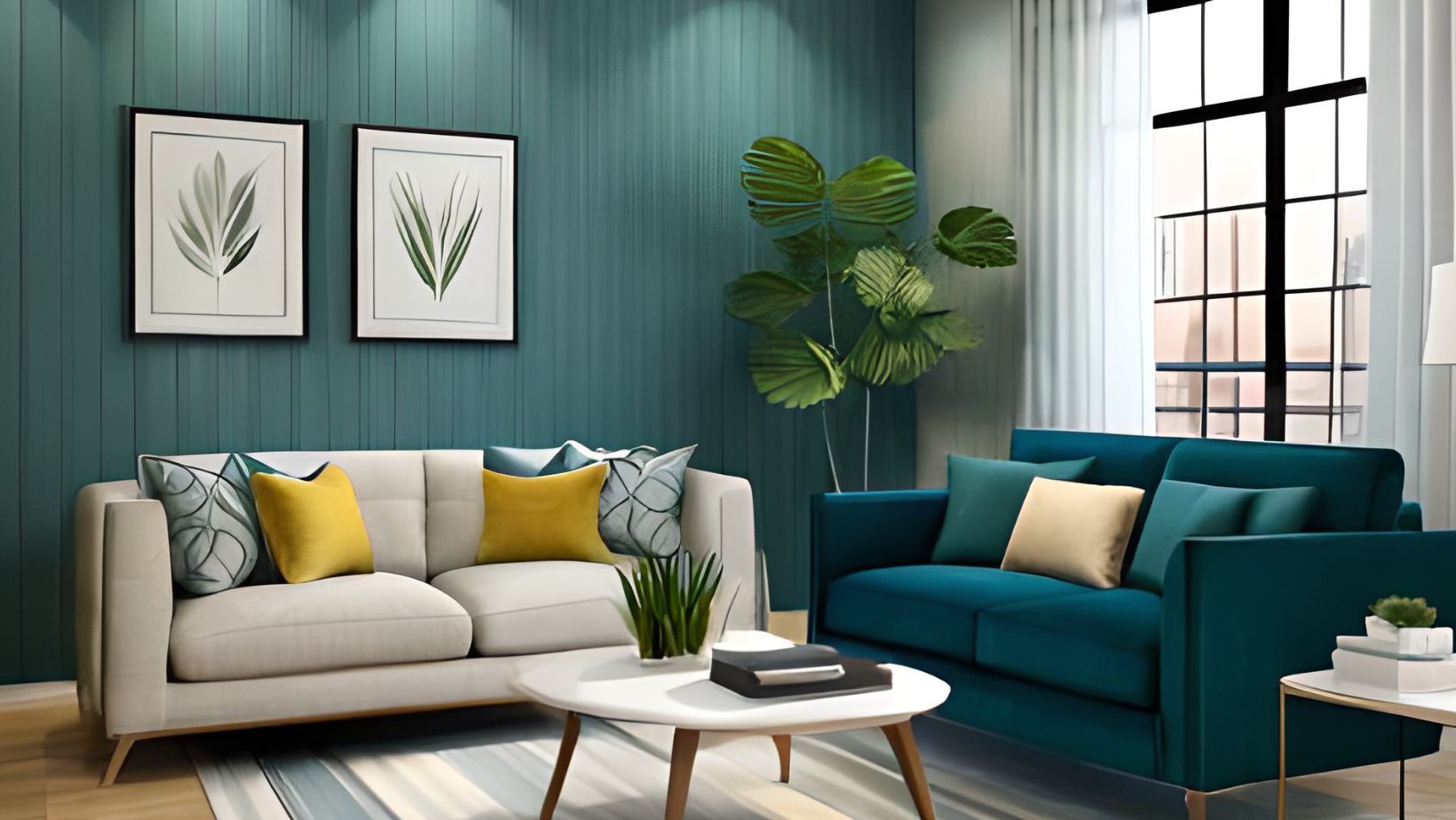
After that, the layout is the next quiet tool. Sofas pressed to walls and chairs in straight lines can make a room feel stiff. A small angle change, a coffee table moved slightly off center or a chair pulled closer to the window often improves flow without a full rearrange. The goal is simple: easy movement, clear sight lines and at least one corner that feels calm rather than crowded.
Storage And Texture: Quiet Tools For A Calmer Room
Clutter often returns because objects have no clear home. A breathing interior uses a mix of closed and open storage. Closed fronts hide visual noise: cables, chargers, plastic containers, spare bedding. Open shelves then carry fewer, more intentional items like books, photos and one or two decorative pieces. Empty space between objects is not wasted; it helps the eye rest.
Hooks and trays also matter more than many people expect. A hook by the door for bags, a shallow bowl for keys or a small tray for remotes gives everyday things a landing place. When this structure exists, surfaces stay clearer without constant effort. The home starts to support daily habits instead of fighting them.
Texture completes the story. A room that only uses hard, smooth surfaces can look sharp but feel cold. A couple of soft layers change that. A woven rug under the coffee table, a cotton throw on the sofa, a linen runner on the table or a basket for blankets all add comfort. Natural materials help, but the main point is contrast: rough next to smooth, soft next to hard.
Storage and texture upgrades with big impact
- One “hidden zone” per room: a cabinet or chest that swallows everything that does not need to be seen daily.
- One “proud shelf” only: a short shelf with a small number of meaningful objects instead of many random souvenirs.
- Baskets for moving clutter: a basket near the sofa or bed collects books, cables and small items that usually scatter.
- A rug to define one island: under the sofa zone or dining table so the room feels organised into gentle areas.
- Layered textiles on seating: a single throw and two cushions in different fabrics make a basic sofa look more deliberate.
These steps do not demand a new style. They simply turn a busy room into a place that feels more finished and kind.
A breathing home is not an interior design trophy. It is a space where light can move, storage actually works and materials invite the body to relax. Ten small upgrades, spread across a few weekends, often do more than one huge purchase. When windows feel open, surfaces are less crowded and textures soften the echo, the same home suddenly feels easier to live in, without changing the address or the floor plan.