

There’s a difference between a house and a home, and most of it lives in the details. The shelves are full of paperbacks you’ve collected since college. The framed print you picked up at a flea market three cities ago. The little ceramic thing your kid made in art class that somehow became the most important object on the mantle. Moving disrupts all of that. You’re pulling apart a space that took months or years to feel right and cramming it into cardboard.
The furniture will probably survive. The big stuff usually does. But the items that carry emotional weight are often the most fragile, and they don’t always get the protection they deserve.
Books are a good example. People own more of them than they think, and they’re deceptively heavy. A medium-sized bookshelf can produce four or five boxes that weigh 40 to 50 pounds each if you’re not paying attention to how you distribute them. The U.S. Census Bureau’s migration data shows that millions of Americans relocate each year, and a fair number of them are hauling personal libraries across state lines without much of a plan. If you’ve got a collection worth protecting, it pays to learn how to pack books for moving before you start filling boxes. Small boxes, spines down, and no overpacking. Sounds simple, but getting it wrong leads to torn covers, broken spines, and boxes that split open from the weight.
Framed Art and Photos Deserve More Than a Blanket
This is the one that burns people every time. A framed piece of art or a family photo gets wrapped in a towel, wedged between two mattresses, and loaded onto the truck. Then something shifts. Glass cracks. The frame bends. And now you’ve got a damaged piece of something that meant more to you than its replacement cost suggests.
Painter’s tape across the glass face (in an X pattern) can keep shards contained if the glass does break. Corner protectors on all four edges prevent dents. And cardboard on both sides of the frame, held tight with packing tape, creates a buffer against impact. Many professional movers offer specialty packing for artwork and fragile items, which can be worth considering for high-value pieces. For anything particularly valuable, a mirror box from a moving supply store is worth the few extra dollars.
Don’t stack framed pieces flat. Stand them upright, like records. Less pressure on the glass, less risk of a crack running across your favorite print.
The Sentimental Stuff Has No Price Tag
Some things can’t be replaced. A journal you kept during a trip abroad. A quilt your grandmother made. The box of letters from someone who isn’t around anymore. These items don’t have a dollar value that an insurance claim can address, and the FMCSA’s liability guidelines are clear that self-packed items can be harder to file claims on if something goes wrong.
So treat these things like they matter, because they do. Wrap them individually. Put them in a box you label clearly. And keep that box with you during the move if you can. Don’t load it onto the truck with everything else. Some things are too personal to hand off to strangers, even well-trained ones.
Shelves, Ceramics, and the Breakable Bits
Decorative ceramics, vases, bookends, and candle holders. The stuff that sits on shelves and surfaces and makes a room feel lived in. None of it packs well unless you give it individual attention.
Wrap each piece in packing paper or bubble wrap. Don’t let two hard surfaces touch inside the same box. Fill gaps with crumpled paper, not fabric (fabric compresses and doesn’t hold items in place during transit). And label the box on two sides so whoever is stacking it knows what’s inside.
The pieces that seem too small to worry about are the ones that break first. A chipped vase isn’t the end of the world, but it’s the kind of small loss that adds up to a feeling of carelessness when you’re unpacking in a new place.
Your Kids’ Art and Handmade Items
Parents know this one. The fridge magnets are holding up crayon drawings. The painted rock from summer camp. The clay bowl with the wobbly edge. None of it is worth anything on paper, and all of it is irreplaceable.
Pack these in a dedicated box. Wrap the fragile ones. Use ziplock bags for flat artwork so it doesn’t get creased or wet. And put this box somewhere safe during the move, not at the bottom of a stack in the truck bed.
Kids notice when their stuff goes missing or gets damaged. Protecting it sends a message that their contributions to the home matter, even in the chaos of moving.
It’s Really About Rebuilding the Feeling
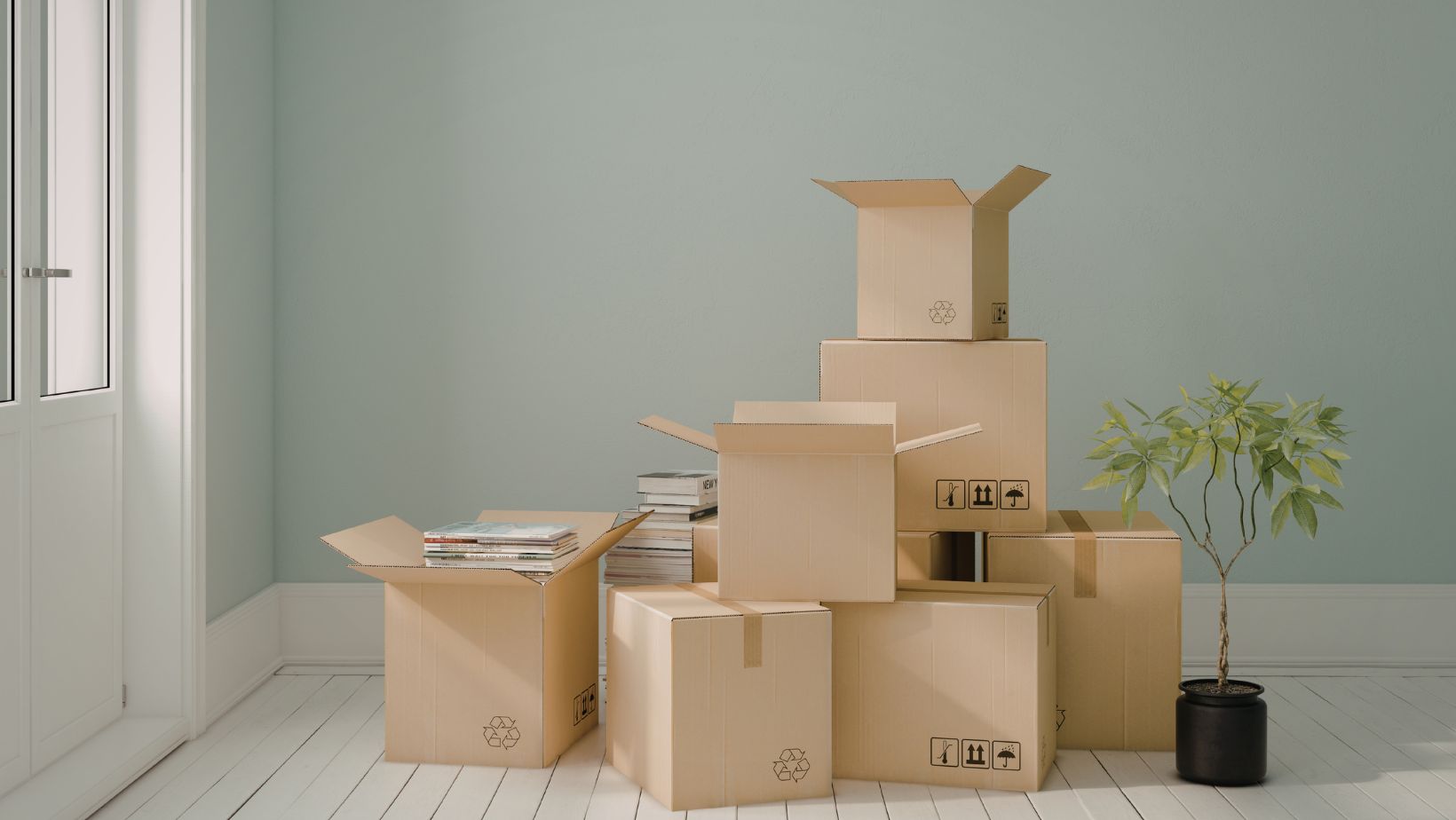
A new home is just walls and floors until you fill it with the things that make it yours. The faster you can unpack the personal items, the art, the books, and the small objects with meaning, the sooner the new space starts to feel like it belongs to you.
That’s why these items deserve attention during the packing stage. Not because they’re expensive or hard to replace. Because they’re what makes a home something more than an address. Rushing through that part of the process costs more than you’d think, just not in ways a receipt can show you.