

Every food lover has that moment when inspiration strikes, perhaps while daydreaming over their lunch break or perusing the aisles of the local grocery store. In this digital age of culinary exploration, we can turn those fleeting ideas into a feast for the senses. So, let’s jump into a smorgasbord of tasty recipe blog ideas that not only wow our taste buds but keep our readers coming back for more. Buckle up as we blend humor with creativity, ensuring every dish is as delightful as it sounds.
Tasty Recipe llblogfood
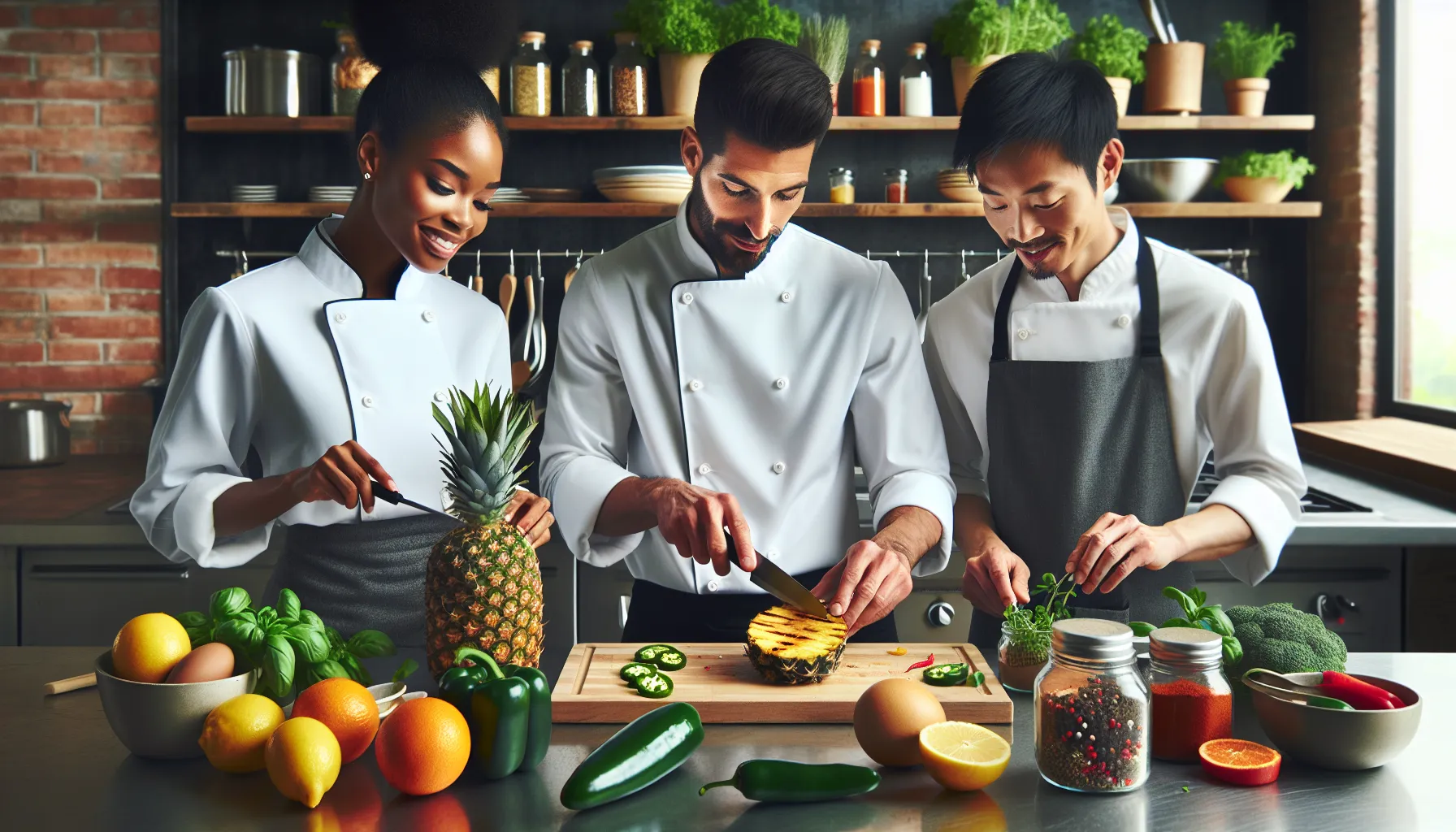
A great dish begins with a foundation of bold flavors waiting to dance together. Think about sweet and savory clashes or the magic of umami, which can elevate any meal. Imagine succulently grilled pineapple paired with spicy jalapeños, it’s all about that unexpected combination.
Next time we cook, let’s challenge ourselves. How about experimenting with herbs that typically sit on our kitchen shelves? Basil in desserts? Yes, please. Or consider the zest of citrus to brighten earthy dishes. The sky’s the limit when we unlock the beauty of flavor pairings. Let’s share our discoveries and invite readers to explore unusual combos they might not have considered.
Seasonal Ingredients to Boost Taste
Have you ever tasted a perfectly ripe tomato in summer or crunchy apples in fall? There’s no denying that seasonal ingredients can turn a mundane recipe into an extraordinary dish. By prioritizing fresh produce, we connect more with our meals and support local farmers, which is a win-win.
When we write about our favorite seasonal recipes, let’s emphasize how each ingredient plays its role in refreshing our everyday meals. For instance, how can we transform asparagus into a star of a springtime salad? Or use pumpkin to create a decadent autumn soup? Exploring the seasons not only enhances flavor but also inspires creativity in our kitchens.
Cooking Techniques for Delicious Results
Now that we’ve gathered our ingredients, let’s turn our attention to the cooking techniques that bring them to life. Are we sautéing, roasting, or grilling? Each method has its own charm and can affect the dish’s overall texture and depth of flavor.
For instance, if we’re roasting veggies, the caramelization creates a naturally sweet and rich profile, elevating the dish beyond expectation. Let’s not forget about learning techniques like sous-vide or pressure cooking to save time and amplify flavor. Sharing stories from our kitchens about successful, or not so successful, cooking experiments adds a personal touch that readers will appreciate.
Presentation Tips for a Stunning Plate
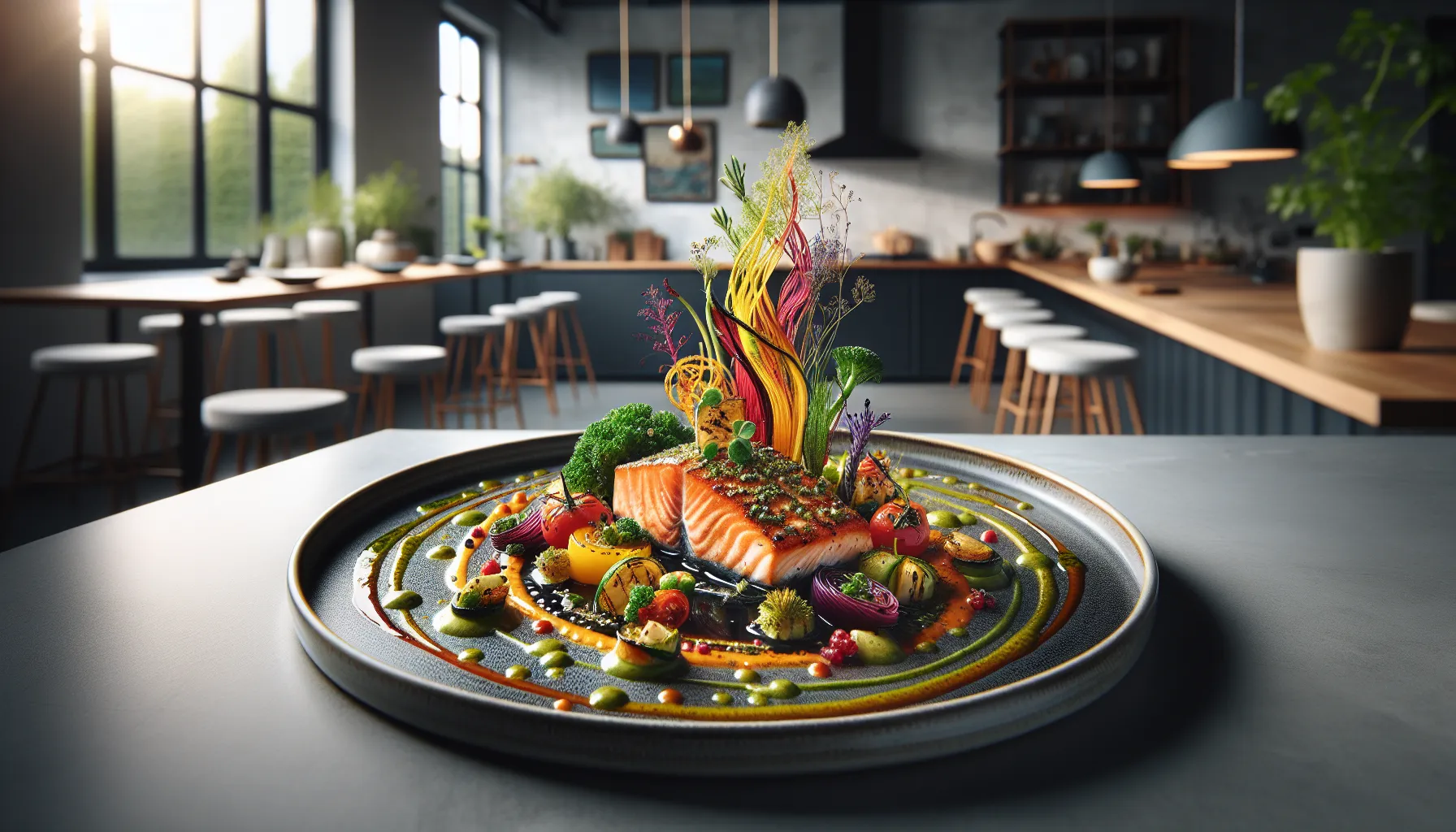
They say we eat with our eyes first, and how true that is. The way we arrange food on the plate can make all the difference. Let’s explore ways to elevate our dishes’ presentation, making meals not just tasty but truly Instagram-worthy.
When plating, let’s think about color, balance, and height. Adding a sprig of fresh herbs or a drizzle of vibrant sauce can create bursts of visual appeal. Remember, a well-styled dish creates anticipation. As we share tips, we should encourage readers to personalize their presentations, inviting them to express their culinary artistry.
Incorporating Dietary Preferences
In our culinary journey, it can be easy to focus solely on taste, but let’s also think about our friends and family’s dietary preferences. Whether someone is vegan, gluten-free, or just trying to cut down on sugar, accommodating these choices can be both fun and challenging.
We can jump into innovative substitutions that make dishes accessible to everyone without sacrificing flavor. For instance, how can we make a classic lasagna using zucchini noodles instead of pasta? Let’s create welcoming recipes that invite everyone to the table, showing that delicious can mean different things depending on one’s dietary needs.
Engaging Your Audience with Food Stories
Every dish we create carries a story, whether it’s rooted in our childhood or built from a recent trip abroad. Engaging our audience means sharing those stories, turning recipes into more than just a list of ingredients and steps.
We might find joy in recounting a memory of learning to bake with a grandparent or a hilarious mishap in the kitchen. These narratives not only humanize our recipes but encourage readers to share their experiences too. After all, cooking is as much about connection as it is about food.